The drain camera inspection cost depends on pipe access, pipe length, urgency, and the problem found. An inspection can be worth doing first because it shows the pipe’s real condition. This clear view may prevent guesswork, repeat blockages, and repairs that miss the main cause.
A blocked drain can seem like a small home problem. Sometimes a plunger or careful cleaning is enough. But slow drains, sewage smells, wet ground, and repeat backups may point to a deeper issue. In those cases, a camera can help a plumber find the cause before choosing a repair.
For homeowners and property managers in El Dorado Hills, a good diagnosis can help protect floors, walls, landscaping, and sewer lines. El Dorado Hills Plumbing helps local property owners understand which drain service fits the problem. This guide explains what the inspection does, what it can find, and what may happen next.
Table of Contents
- What Is a Drain Camera Inspection?
- How Much Does a Drain Camera Inspection Cost?
- Is a Drain Camera Inspection Worth Paying for First?
- When Should You Schedule a Drain Camera Inspection?
- What Can a Drain Camera Inspection Find?
- What Happens During a Drain Camera Inspection?
- How Do You Choose the Right Next Step After an Inspection?
- Frequently Asked Questions
What Is a Drain Camera Inspection?
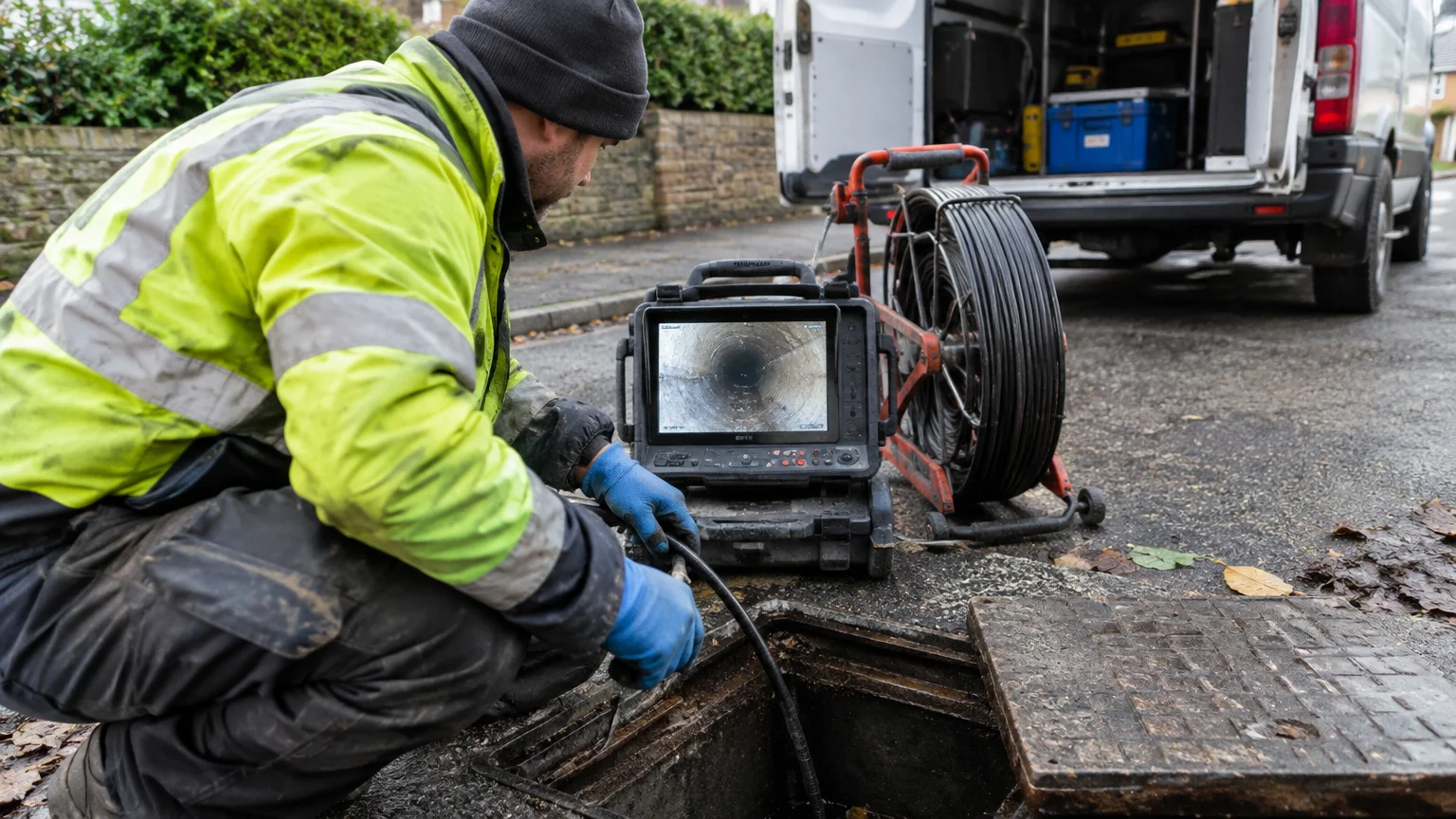
A drain camera inspection uses a small waterproof camera to view the inside of a drain or sewer pipe. The camera sits on a flexible cable. A plumber guides it through an access point while watching a live video.
This method can reveal problems that are hidden from a sink, toilet, or cleanout. A drain opening may look clear while a broken pipe or heavy buildup sits farther down the line. The camera gives the plumber a closer view before repair work begins.
How plumbers use a camera to examine drain and sewer pipes
The plumber first finds a safe access point. This may be a cleanout, a removed toilet, or another opening in the drainage system. The camera then moves through the pipe as water, buildup, and pipe joints appear on the monitor.
Many inspection cameras have a transmitter. This tool helps the plumber locate the camera below the ground. That information can help show where a buried sewer problem sits. It may prevent the need to open the whole yard or floor.
What problems a camera inspection can identify
A camera may show a blockage, crack, collapsed section, root growth, or separated pipe joint. It may also reveal grease, scale, wipes, or other material that narrows the pipe. The video can help separate a simple clog from a damaged line.
A camera inspection does not replace every test. Heavy water, a packed blockage, or poor access can limit the view. Still, it often gives useful facts that support a safer repair plan.
How Much Does a Drain Camera Inspection Cost?
The drain camera inspection cost changes from one property to another. The final quote depends on access, pipe size, inspection length, blockage conditions, urgency, and any report or follow-up work needed. The final cost is confirmed on a quote after the plumber reviews the job details.
A camera inspection is a diagnostic service, not a repair. It may involve less work than opening a buried pipe, but it can need more preparation than basic drain cleaning. A clear diagnosis may also help prevent payment for work that does not solve the true cause.
What factors affect the cost of a camera inspection
Access is one of the main factors. A clear outdoor cleanout may make the inspection easier. A buried, damaged, or hard-to-reach access point may need more preparation. Pipe length, pipe size, and pipe condition can also affect the work.
Urgency may matter when a property has an active sewage backup or serious water damage risk. Commercial buildings may need a larger inspection area or special scheduling. The plumber should explain what the inspection includes and confirm the final cost on a quote before work starts.
How the inspection compares with other drain services
Basic drain cleaning focuses on removing material that blocks water flow. A plumbing snake may open a path through a clog, but it may not show whether the pipe is cracked or filled with roots. A camera inspection focuses on finding and confirming the cause.
In some cases, both services help. A plumber may need to clear the line before the camera can pass. Drain cleaning, drain repair, sewer line repair, and emergency drain cleaning each solve different problems. The right choice depends on what the first checks or inspection reveals.
Is a Drain Camera Inspection Worth Paying for First?
A drain camera inspection can be worth doing first when a blockage keeps returning or a repair may involve major digging. It gives the plumber evidence about the pipe’s location and condition. That evidence can reduce guesswork and help the owner compare sensible repair choices.
A camera may not be needed for every slow sink. A homeowner can safely try a plunger, remove visible hair from a drain cover, or clean a removable trap when no sewage is present. A professional is needed when the drain stays blocked, several fixtures are affected, or wastewater enters the home.
When a diagnosis can prevent unnecessary drain repairs
A repeated blockage does not always mean the whole pipe needs replacement. It may come from grease, scale, roots, a sagging section, or an object in one area. The camera can help show which condition exists before a plumber suggests a larger job.
The inspection can also help when another service has already cleared the drain. If the same problem returns, opening the path again may only bring short-term relief. A closer look may show why the line keeps failing.
When a camera inspection may be especially valuable
A camera is often useful before buying a property with older underground drain lines. It may also help after a sewer backup, a major renovation, or damage from shifting soil. Property owners planning an addition may want to understand the condition of buried lines first.
El Dorado Hills Plumbing can help property owners ask useful questions before drain work begins. The owner should request a clear explanation of the finding, the next step, and whether more testing is needed. This is helpful for homes, businesses, rental properties, and first-time buyers in El Dorado Hills.
When Should You Schedule a Drain Camera Inspection?
A property owner should consider a drain camera inspection when drainage problems return, affect several fixtures, or show signs of buried pipe trouble. The inspection is especially useful when ordinary cleaning works for only a short time.
A single slow drain may have a simple cause. A home-wide problem can point to a shared branch line or main sewer line. Fast action matters when wastewater backs up because dirty water can damage building materials and create health risks.
Warning signs that may indicate a hidden pipe problem
Common warning signs include:
- Drains that slow down again soon after cleaning
- Gurgling sounds from toilets, tubs, or sinks
- Sewage odors near drains or outdoor cleanouts
- Wet or unusually soft ground near a sewer line
- Several fixtures backing up at the same time
- Toilet water that rises when another fixture drains
These signs do not prove that a pipe is broken. They do show that a closer check may help. A homeowner should stop using affected fixtures when sewage backs up and seek professional guidance.
Why recurring blockages deserve a closer inspection
Recurring clogs often mean the first opening did not fix the main cause. A plumbing snake may restore flow, but it can pass through a small opening while leaving roots, cracks, or heavy buildup behind.
A camera can show whether the line is open and stable or still narrowed. It can also help find where a branch line joins the main sewer. That detail matters when the owner must choose between more cleaning and lasting drain repair.
What Can a Drain Camera Inspection Find?
A drain camera inspection can find blockages, pipe breaks, root intrusion, buildup, poor connections, and collapsed sections. It may also show a pipe that has shifted or sagged. These findings help explain why water moves slowly or backs up.
The camera view is strongest when the line is open enough for the lens to pass. A severe blockage may need clearing first. A good plumber will explain what the camera could see and note any limits on the inspection.
Common causes of blocked or damaged drain lines
Grease and food waste can narrow kitchen lines. Hair, soap residue, and foreign objects can affect bathroom drains. Wipes labeled as flushable may also cause trouble because they can collect with other waste instead of breaking apart quickly.
Older pipes may have cracks, rust, separated joints, or weak walls. Tree roots can enter through small openings and grow inside the line. Ground movement, poor installation, and heavy vehicles can also affect buried sewer pipes.
How inspections locate pipe breaks, roots, and buildup
The plumber watches for changes in the pipe wall, standing water, missing sections, and material attached to the pipe. A camera transmitter may help mark the problem’s location from above ground. This can limit unnecessary digging.
A camera may show the difference between a local blockage and a wider pipe failure. It may also show that the line is sound after cleaning. In that case, the owner may only need careful drain use and routine upkeep.
What Happens During a Drain Camera Inspection?
During a drain camera inspection, the plumber finds access, checks the line, guides the camera through the pipe, and reviews the findings. The work often causes less disruption than opening a wall, floor, or yard. The plumber should explain each step before starting.
The property owner should clear the area around the access point. The owner should also share details about recent backups, past repairs, and drain cleaners used. That history can help the plumber understand what appears on the screen.
How the plumber prepares and accesses the drain
The plumber may inspect a cleanout, remove a drain cover, or use another suitable entry point. The opening must be large enough for the equipment. In some homes, access may require removing a toilet or reaching a line through a service area.
A professional should protect nearby surfaces and follow safe work steps. Homeowners should not open sewer cleanouts during an active backup without guidance. Wastewater can spill under pressure and may contain harmful germs.
What happens after the camera reaches the problem area
The plumber reviews the video and explains what the camera shows. The owner may learn whether the issue is a clog, root growth, broken pipe, or another condition. The plumber may also mark the likely location of the problem outside.
The next step may include drain cleaning, drain repair, sewer line repair, or more testing. The owner should ask what each option solves and what may happen if work is delayed. A written quote should confirm the final cost before repair work begins.
How Do You Choose the Right Next Step After an Inspection?
The right next step depends on pipe condition, blockage type, access, and the owner’s goals. A clean, sound pipe may only need careful use and routine maintenance. A damaged line may need repair or replacement to prevent repeat backups.
A homeowner does not need a professional for every drain task. Safe upkeep includes using drain screens, removing visible debris, avoiding grease in sinks, and following product instructions. Chemical drain cleaners can harm some pipes and create a safety risk, so ask a plumber when the cause is unclear.
When drain cleaning may resolve the problem
Drain cleaning may solve the issue when the pipe is sound and the blockage comes from grease, hair, soap, food, or soft buildup. A professional may use a drain snake, auger, or water jet when the method suits the pipe and blockage.
Cleaning may not solve a cracked, collapsed, or root-filled line. If the same blockage returns, the owner should ask whether another camera inspection is needed. The goal is not only to restore flow but also to prevent the same failure from returning.
When pipe repair, replacement, or further testing may be needed
Drain repair may be needed when the camera shows a focused break or separated joint. Replacement may suit a long section that has collapsed or badly worn out. Some jobs may need a second test to check flow, pipe shape, or connections.
The owner should compare the pipe condition, risks, access needs, and expected service life of each option. A licensed plumber can explain whether a focused repair or larger project makes sense. El Dorado Hills Plumbing provides plumbing guidance for homes and businesses across El Dorado Hills, including Serrano, Blackstone, Folsom, Cameron Park, Rescue, Shingle Springs, and nearby communities.
Key Takeaways
- A camera inspection shows the inside of a drain or sewer pipe.
- The drain camera inspection cost depends on access, pipe length, urgency, and condition.
- Recurring clogs may signal roots, breaks, buildup, or a collapsed section.
- Homeowners can handle simple cleaning but should avoid risky sewer work.
- The final repair choice should follow the inspection findings and a confirmed quote.
Frequently Asked Questions
Is a drain camera inspection needed for every clog?
No. A simple, first-time sink clog may respond to safe home cleaning or a plunger. A camera becomes more useful when the blockage returns, affects several fixtures, follows a backup, or may involve a buried sewer line. A plumber can decide whether the inspection will add useful information.
Can a plumbing snake drain service find a broken pipe?
A drain snake can open a path through some blockages, but it does not give the same view as a camera. It may clear symptoms while leaving a crack, root problem, or collapsed section in place. A camera inspection can help show whether the pipe itself is damaged.
Do baking soda and vinegar clean a blocked drain?
Baking soda and vinegar may help with light residue, but they cannot repair a broken pipe or remove serious roots. They may also fail against a deep blockage. A homeowner should avoid mixing drain products. Professional advice is safer when water backs up or several drains slow down.
What are drain cleaning enzymes used for?
Drain cleaning enzymes are products made to break down some organic material over time. They are not a fix for pipe breaks, roots, collapsed lines, or hard objects. Product directions must be followed closely. Repeated blockages still need a proper diagnosis instead of ongoing chemical treatment.
How long does a drain camera inspection take?
The time depends on access, pipe length, blockage severity, and whether the line needs cleaning first. A short, open line may be simple to view. A difficult property may need more preparation. The plumber should explain the expected process before the inspection begins.
Conclusion
A drain camera inspection can turn an unclear blockage into a clearer repair plan. It is most helpful when clogs return, several fixtures are affected, or a buried sewer line may be damaged. The inspection does not replace every drain service, but it can help match the solution to the real problem.
Property owners in El Dorado Hills can start with safe checks for minor issues and seek professional help when warning signs continue. Contact us to discuss drain cleaning, camera inspection, or the next step for a blocked drain with El Dorado Hills Plumbing.