Water Tank
Thermal, Pressure and Storage Tanks
Several small tanks keep a house’s water behaving: expansion tanks next to water heaters, pressure tanks on private wells, and storage tanks for backup or rain catchment, all handled by El Dorado Hills Plumbing. When one wears out you may see pressure that swings, a pump that clicks on and off, a relief valve that weeps or damp fittings, and every one of those worsens with time, sometimes ending in a flooded utility room.
Capacity must suit the system, the air charge must be set to line pressure, and proper valves belong around it. That protects pipes, fixtures and equipment, whether the job is a dead expansion tank, a waterlogged well tank or a storage tank tied in, anywhere in El Dorado Hills, CA. Ask what the plan is before anyone shuts off your water.
Services
Tank Work Covered
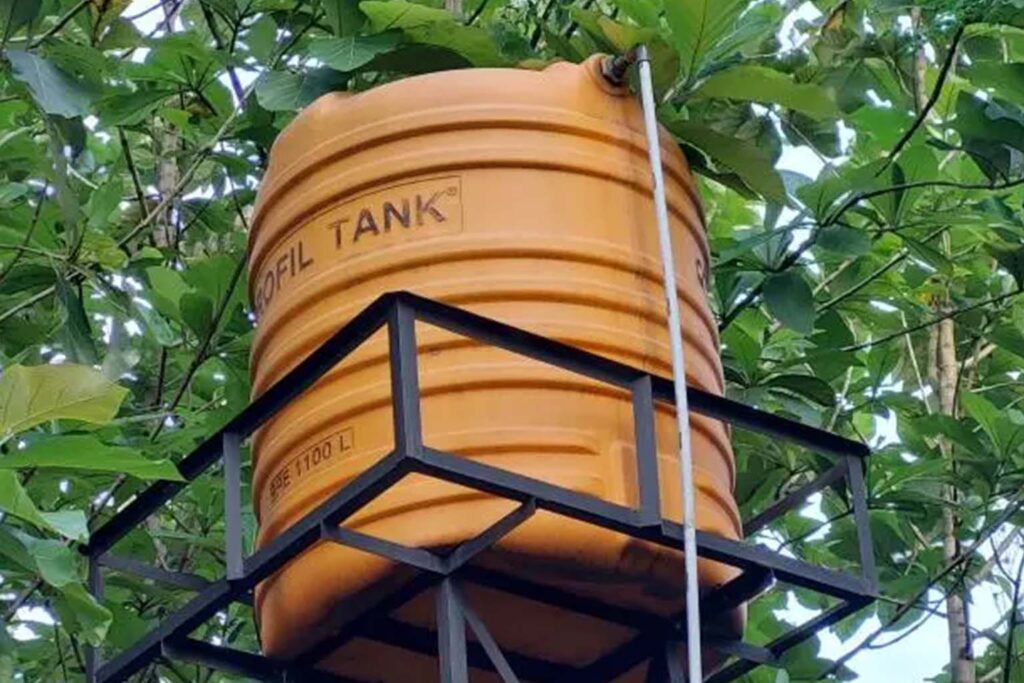
Installing a New Tank
Thermal, well and storage tanks, each picked for the heater, pump or household load it will serve in the house.
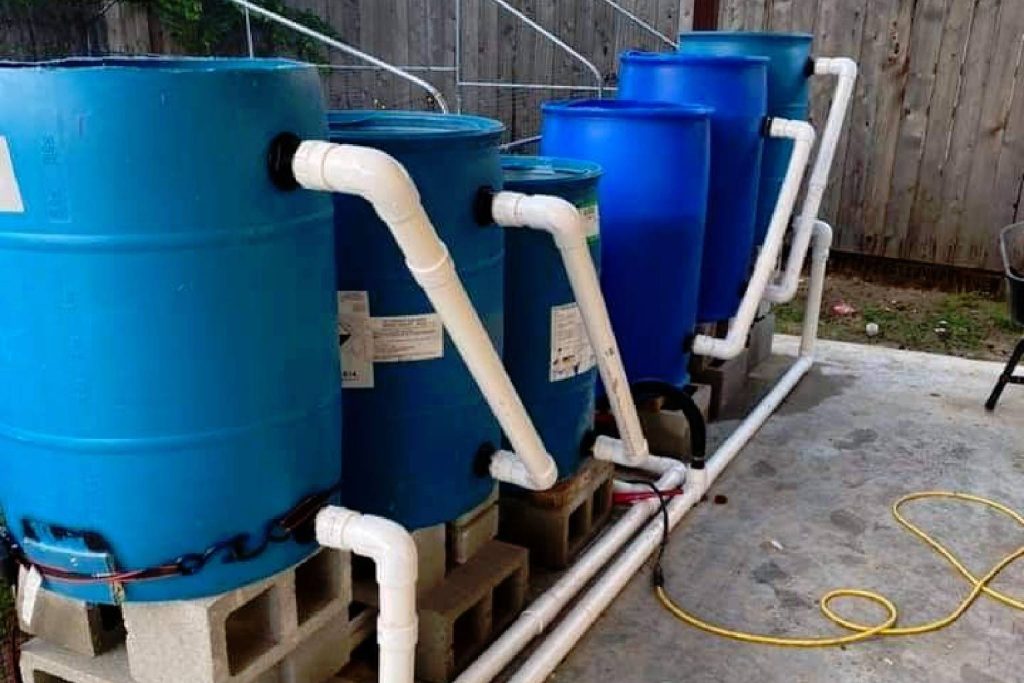
Swapping Out a Tank
Rusty, leaking, saturated or undersized tanks come out, and a correctly sized and properly rated unit goes in.
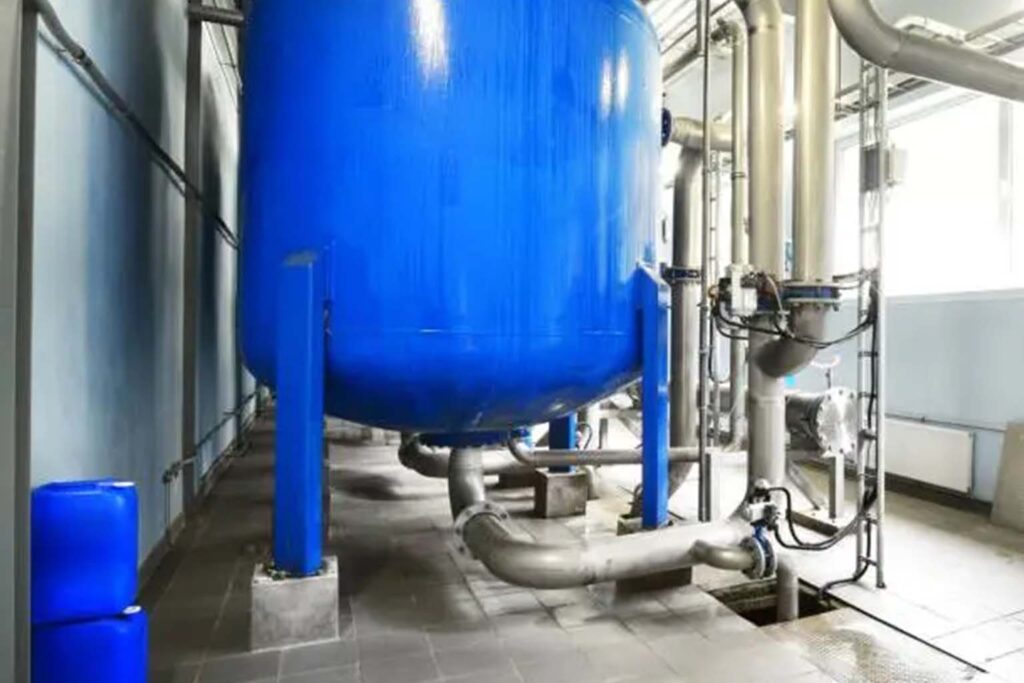
Expansion Tank Checks
Permits for heater and tank work come from the El Dorado County Building Division, so ask early whether your job needs one.
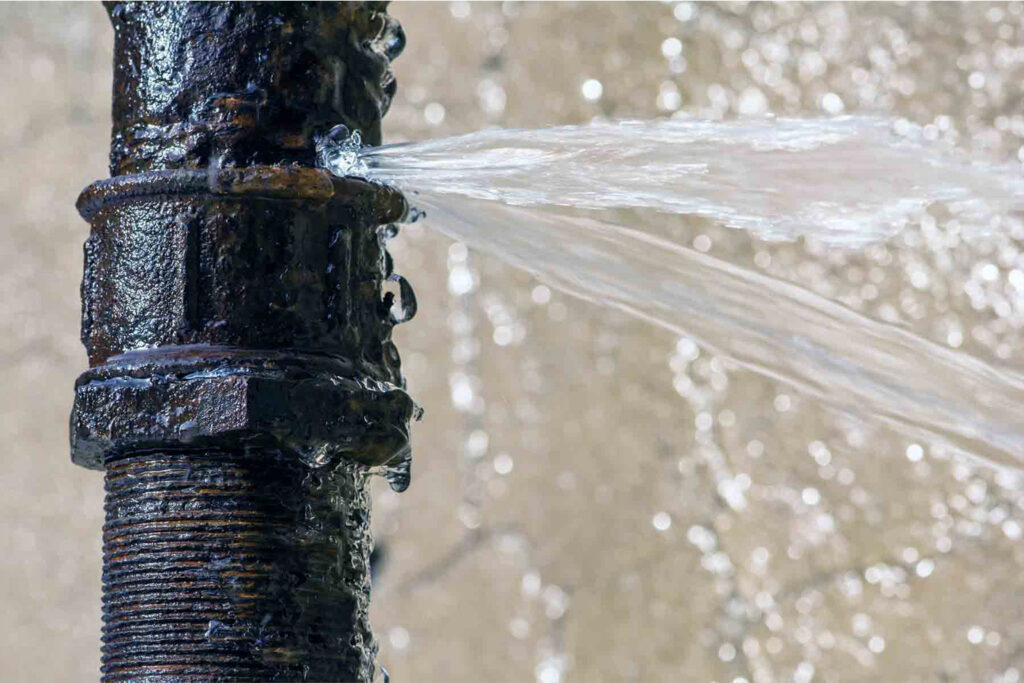
Fixing Leaks
Drips at the shell, inlet, outlet, fittings and valves are sealed before floors and drywall take the damage.
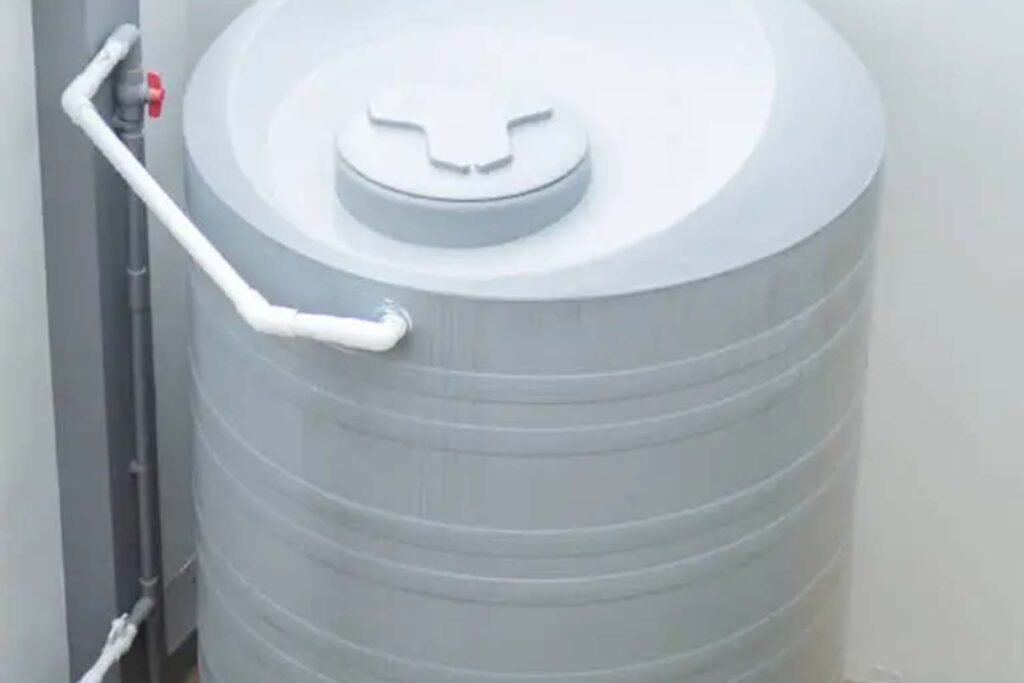
Well Tank Troubleshooting
A saturated tank, a mis-set switch or a pump that chatters on and off will shorten the life of your well gear.
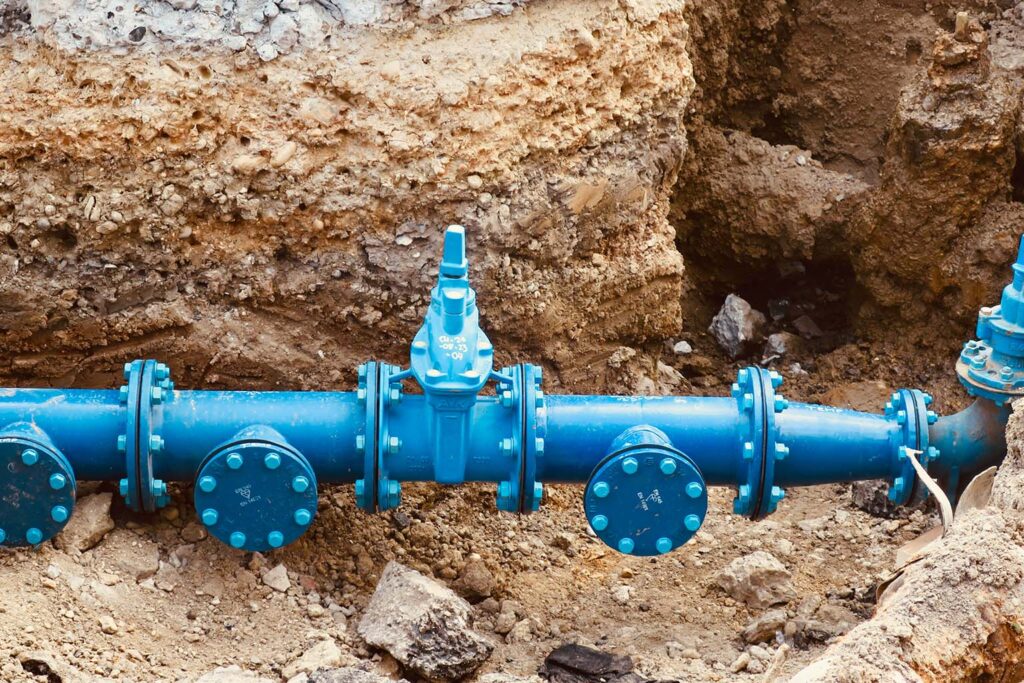
Pipe and Valve Updates
Corroded lines, old shut-offs, gauges and supports next to the tank can be renewed during the same job.
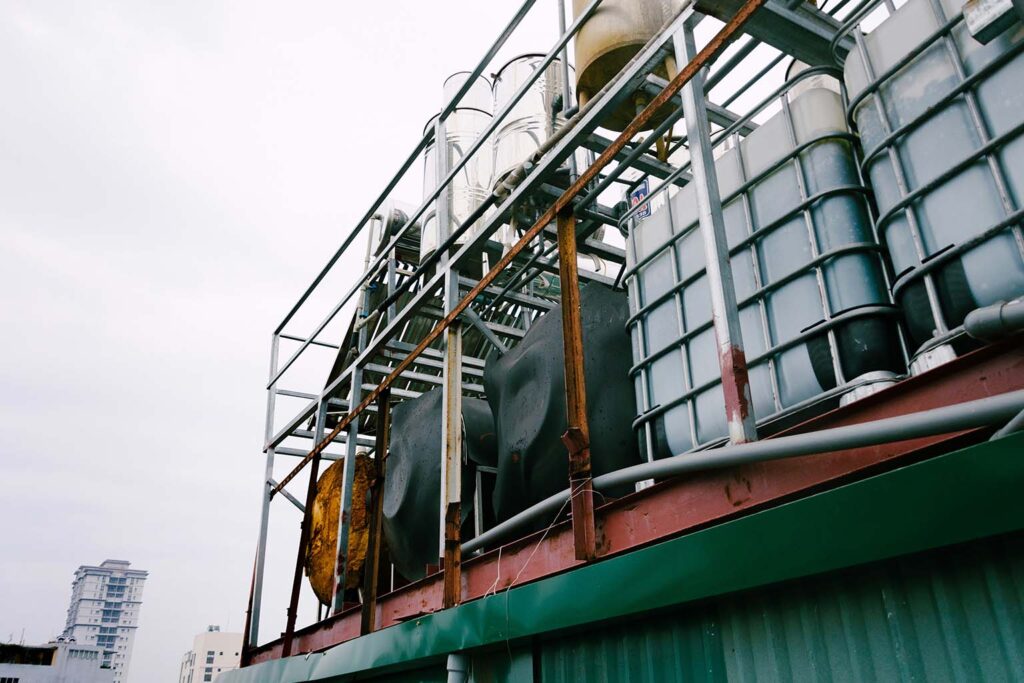
Hooking Up Storage Tanks
Backup and rain storage tanks need pumps, filters and backflow protection where they meet household plumbing.
Hiring Tips
El Dorado Hills Plumbing for Tank Work in El Dorado Hills, CA

Follow the Maker
Confirm the plumber follows the manufacturer’s manual for placement and fitting, then pressure-tests the finished job.

Nearby Help
Work in El Dorado Hills, CA goes smoother when the plumber is close enough to return if something needs adjusting.

Cause, Not Symptom
From a dead expansion unit to a collapsed well tank, the repair should address why it failed.

Plain Advice
A good plumber explains which tank size and type suit your heater, well or storage plan, and why.

Tidy Job Sites
Ask about floor protection and cleanup; tank swaps often happen in utility rooms and garages.
Hire a plumber who explains each step in plain terms and answers every question before the work begins.
Trouble
Tank Problems That Come Up
- Weeping tanks or fittings
- Relief valve that leaks or spits
- Pressure that surges and sags
- Well pump that keeps short-cycling
- Rusty or eaten-away tanks
- Waterlogged pressure tank
- Hammering or noisy lines
- Failed or too-small expansion tank
- Tank unable to hold pressure
Whatever the tank is doing, the first job is working out exactly why it is doing it.
Where This Work Reaches
Where Water Tank Services Reach in El Dorado Hills, CA
Tank work is done in these areas:
Common Questions Answered
Tank FAQ
What is an expansion tank for?
Heating makes water expand, and in a sealed plumbing loop that extra volume has no outlet, so pipes, valves and the heater take the pressure. An air-cushioned expansion tank soaks up the surplus, holding pressure level and sparing the relief valve from dripping. The tank is usually mounted on the cold supply near the heater.
How would I know my expansion tank is dead?
Knock on it. A healthy tank rings hollow up top; a waterlogged one thuds all the way up. Also watch for a weeping heater relief valve, pressure spikes whenever the heater runs, and water spitting from the tank’s air valve. Any of these is worth a professional look.
Signs of a worn-out well pressure tank?
Listen for the pump chattering on and off every few seconds while water runs. A gauge needle that bounces, faucet pressure that pulses, or rust and wetness on the shell also say the tank is finished and needs attention soon.
Why does my heater relief valve drip?
Pressure climbing as the heater fires is a common cause, especially when an expansion tank is missing or dead. A worn valve can drip too. Get it checked either way, because that valve exists for safety. Never cap or plug a dripping valve.
What is a pressure tank's lifespan?
Water chemistry, pressure settings and how often the pump runs all set the tank’s lifespan. A routine air-charge check and prompt action on short cycling stretch it most, and both are quick for a plumber to run during one visit.
Is swapping a tank a DIY job?
Handy owners sometimes try, but you must drain the system, match the air charge to line pressure and seal every connection. One slip can flood a utility room or hurt a pump or heater, so most hire it out. Local permit rules may also apply.
How do I size an expansion tank?
It follows your heater’s capacity and the home’s line pressure; a plumber checks both and picks accordingly. Too small a tank lets pressure build, and an oversized one is simply money wasted. Bring the heater’s model plate details if you can.
Does a closed-loop water heater require a tank?
A check valve or pressure-reducing valve on the main makes the system closed, and then you usually need one. California also requires water heaters up to 120 gallons to be braced against earthquakes, so have the whole setup reviewed.
What makes a well pump chatter on and off?
A pump that starts and stops rapidly generally points to a lost air charge or a ruptured bladder, leaving the tank unable to hold water under pressure. A failing switch is another suspect. Get a diagnosis before the pump burns out.
What kind of tank suits a home best?
That hinges on use. Closed-system water heaters want expansion tanks, bladder-style pressure tanks suit private wells, and polyethylene tanks usually serve above-ground storage. Ask for a recommendation once the purpose is clear. Each type is built for a different job.
What affects the cost of a tank replacement?
Tank type and size drive it, along with access and whether pipes or valves need replacing too. Ask for scope in writing, and check the plumber with the Contractors State License Board before work starts.
Must a storage tank rest on concrete?
Not always, but the base must be firm and level. Large tanks and soft soil suit a concrete pad; a rated platform or gravel can carry smaller ones, and a tilted base stresses the shell. Call 811 before digging a pad, since California law requires it.